
Crew Safety Training – Ongoing Training Off the Vessel
USCG regulations require at least two crew members on each BWS vessel at any given time to be fully trained and certified in CPR & First Aid. In most cases, BWS has far more than two trained crew members on board the vessel. Every two years when a vessel departs shipyard in Seattle, BWS arranges on-site training, either on the vessel or at our corporate HQ, for the full departing crew, ensuring that as many crew members as possible are trained to handle a medical emergency.
USCG regulations also require at least two crew members to be certified in Basic Fire Fighting, an in-person, hands-on training course we encourage all crew members to undergo and update as needed. On most trips, we have well over the required number of trained and certified crew members on board.
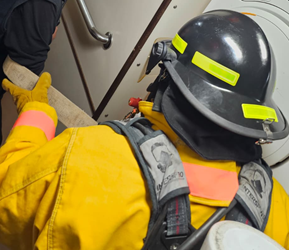
Drill Instructors are also mandatory on every trip, with vessels requiring between three and four per trip depending on vessel/crew size. Drill Instructors are trained and certified to lead drills for firefighting, donning immersion suits, radio distress calls, and other potential
Officer Safety Training – Handling Medical Emergencies at Sea
USCG licensed officers, like vessel captains and mates, undergo a more rigorous version of training to handle medical emergencies. Their training includes not only first aid and CPR, but extends to wound management, transporting the injured, using an AED, medevac procedures, communications with shoreside medical support, and more. STCW Medical Emergencies at Sea training includes hands-on practice at patient assessment, meaning every officer is prepared in case of a serious injury.
Shoreside Medical Support – The Doctor is Always In
Bristol Wave has a longstanding relationship with Anchorage based company Alaska Maritime Physicians (AMP). AMP provides real-time round the clock medical support to all BWS vessels, 365 days a year. In the event of a medical emergency the vessel captain can immediately reach a doctor who is highly familiar with our vessels and the work we do at BWS and has a complete inventory of all medical equipment and medications available on board the vessel. AMP physicians can prescribe necessary medicine and direct trained officers on how to handle serious injuries.
In the event of an onboard injury, crew members can be seen in person at the Mariner clinic in Anchorage on their way home. This allows them to be seen by doctors who are already familiar with the situation, and who are specifically trained to deal with injuries occurring at sea.
Safety Drills & Checklists – Ensuring Safe Operations Before the Boat Ever Leaves the Dock
At BWS we take several steps to ensure safe vessel operations and reduce the risk of injuries, before the vessel ever leaves port. Vessel officers complete an Outbound Safety Checklist, conduct an Injury Prevention Meeting with mandatory attendance for the entire crew, and complete Vessel Safety Drills at least once per trip.
The Outbound Safety Checklist ensures that all passageways are free of obstruction, all watertight doors and hatches are secured, and all hazardous materials, like Ammonia and Acetylene, are properly stored and secured. Life rafts and inspected and tested, flares and emergency signals are checked, and all radio and communications equipment are confirmed to be in good working order. Vessel officers test auto-pilot backups, compass and steering systems, alarm systems, and backup batteries. In short, every vital and potentially life-saving system is thoroughly checked before departure.
Vessel officers also conduct a mandatory Injury Prevention Meeting before departure. Officers review safe lifting techniques, safe moving of bait and finished product while underway and during backload / offload, and the proper procedure for operating all the onboard machinery, like plate freezers, heading machines, the autobaiter, and more.
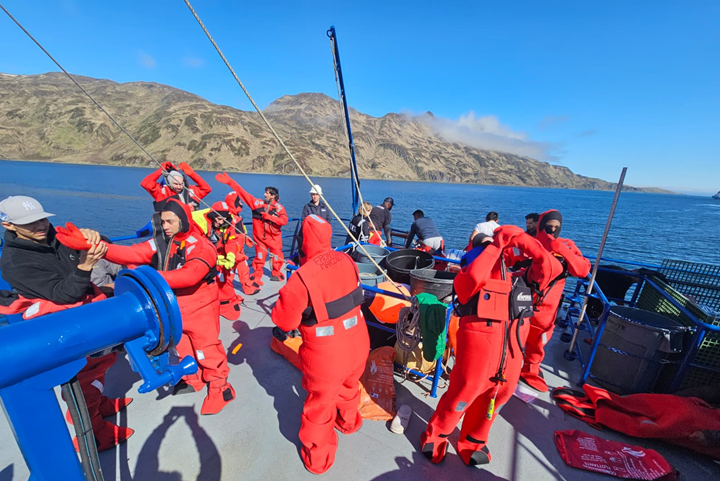
Finally, the entire crew participates in Vessel Safety Drills, designed to continuously maintain a high level of readiness in the unlikely event of an emergency at sea. They practice procedures for abandoning the vessel, fire fighting procedures and fire suppression system usage, recovering a man overboard, launching survival craft, and many other potential scenarios. The crew reviews the process of operating the alarm systems, making radio distress calls, and addressing unintentional flooding. Safety Drills also include pre-drill orientation and safety videos for new crew members on their first trip with BWS.
That’s a quick look at just some of the steps we take at BWS to ensure the safety of our officers and crew. At Bristol Wave safety is always priority #1!