
Bristol Wave Seafoods combines selective hook-and-line fishing, careful onboard handling, and at-sea processing to produce high-quality wild-caught seafood from Alaska’s waters.
Explore the Bristol Wave Way
When fish are harvested with hooks and lines, they are brought on the vessel one at a time while they are still alive. This method prevents compression damage and allows each fish to be bled when the heart is still pumping. The result is a whiter and firmer fillet. Additionally, longlining is very selective. This enables fisherman to target specific species and allows unwanted fish to be released back into the ocean while they are still alive.
Individual handling helps prevent compression damage.
Proper bleeding helps produce a whiter, firmer fillet.
Longlining allows fishermen to target specific species and release unwanted fish while they’re still alive.
We catch every fish one at a time, with a hook, using a sustainable method called longlining.

As the ground line goes out, each hook is automatically baited before it is sent overboard.

The baited ground line is set to the target depth on the fishing grounds.

The baited hooks sit in the water attracting our target fish.

Each fish is hauled onto the vessel one at a time to ensure careful handling and maximum quality.

The fish are cut in accordance with their assigned end product and thoroughly rinsed. They are then sorted and grouped by size to be frozen into blocks.

Fish are processed and frozen quickly after coming onboard, ensuring that they maintain their peak quality and freshness.
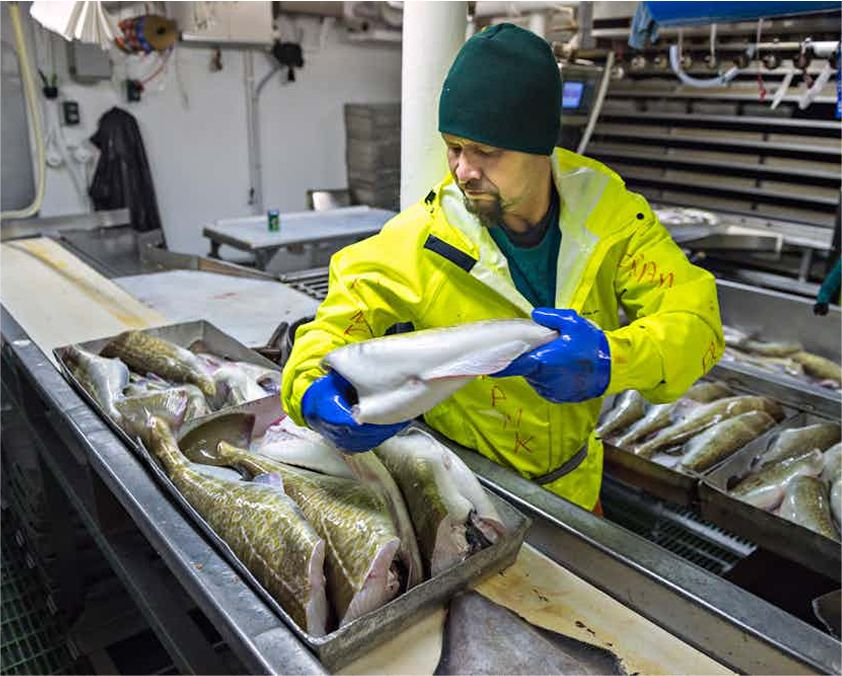
Catching fish one at a time is only the beginning. Bristol Wave vessels are catcher-processors, allowing the catch to move from the ocean through processing and freezing while still at sea.
Once aboard, each fish is processed according to its intended product, thoroughly rinsed, sorted and grouped by size before freezing.
Fish are processed and frozen quickly after coming onboard, ensuring that they maintain their peak quality and freshness.
We bring fish on board one at a time—carefully handling each fish individually, leaving little or no bruising. They are flash frozen within a short period to guarantee absolute freshness of the highest quality.
Bristol Wave processes and freezes its catch aboard its vessels rather than waiting for the fish to return to shore.
The term “fresh fish” conjures a romantic image of fish pulled out of the sea and delivered directly to the fish market. While that order of events is true, the time that it takes those fish to travel from the fishing grounds to your local market yields a dramatic decrease in quality.
Our fish is flash frozen on our boats right after being pulled from the ocean, allowing it to retain its peak quality, texture, and taste from the time it is caught to the moment it is finally enjoyed.
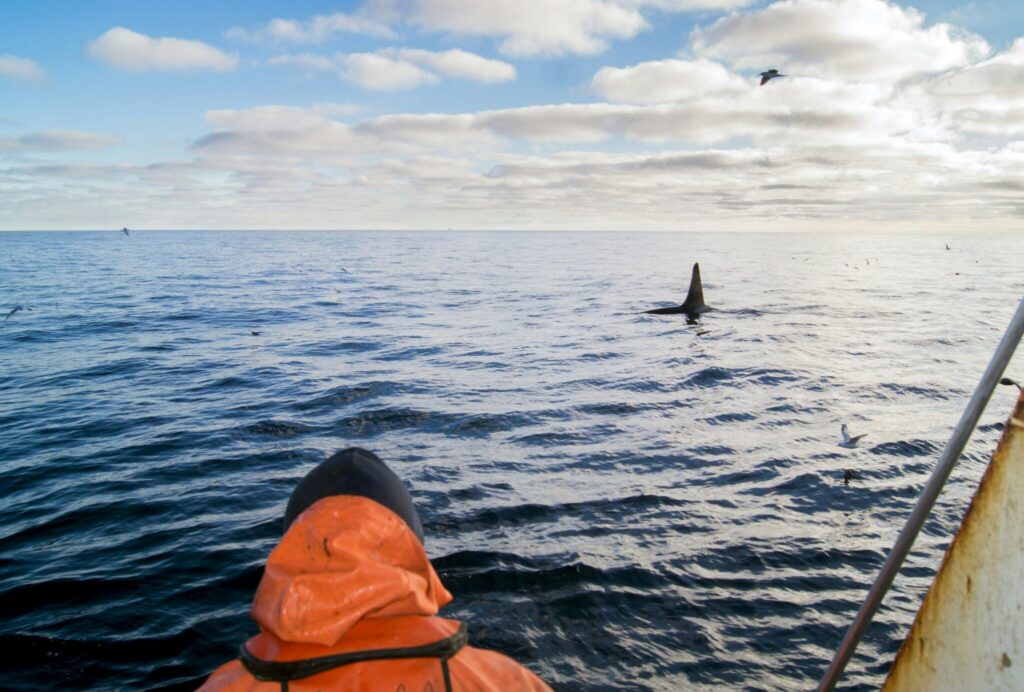
Longlining allows Bristol Wave fishermen to target specific species using baited hooks. Because fish come aboard individually, unwanted catch can be identified and released while still alive.
This selectivity is an important part of the Bristol Wave Way, helping our crews focus on the species they’re fishing for while reducing unwanted catch.
Bait, hook size, fishing depth and fishing location can help crews target particular species.
Selective fishing helps reduce unwanted catch compared with less selective fishing methods.
Individual handling allows unwanted fish to be released back into the ocean while they’re still alive.


Bristol Wave operates seven hook-and-line catcher-processor vessels based in Dutch Harbor, Alaska. Together, the fleet harvests approximately 25,000 metric tons of cod each year, making Bristol Wave the world’s largest producer of line-caught Pacific cod.
Across every Bristol Wave vessel, the goal is the same: operate safely, produce exceptional seafood and continually improve the way we work.
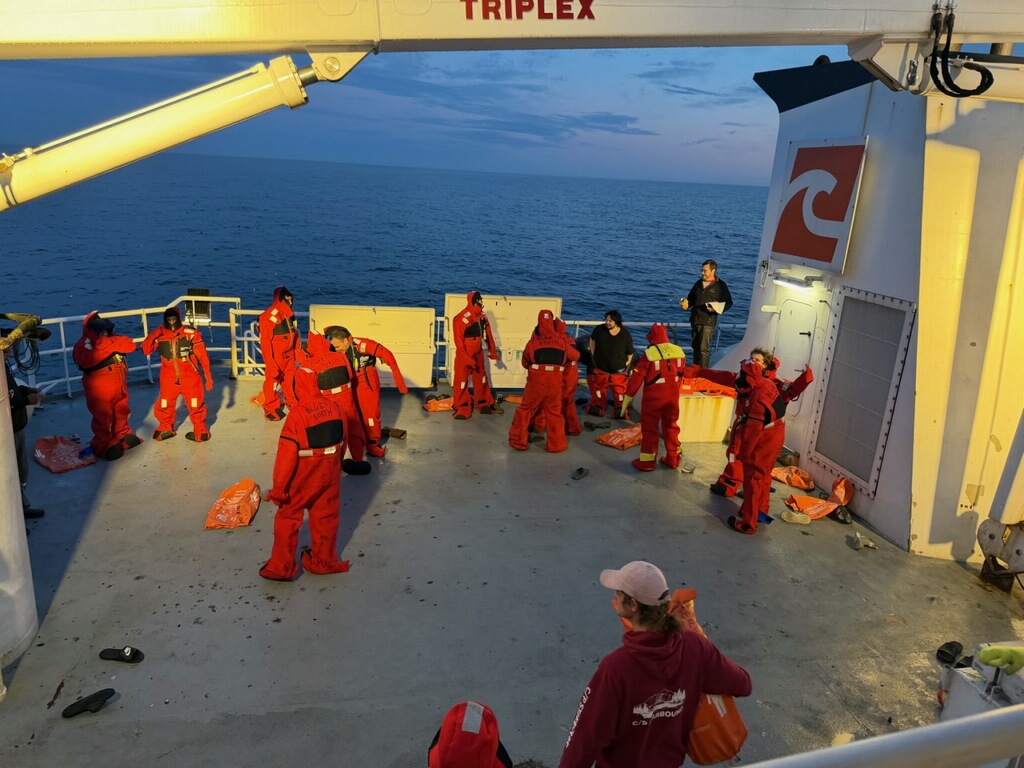
The Bristol Wave Way depends on more than fishing gear and processing equipment. It depends on experienced people working together.
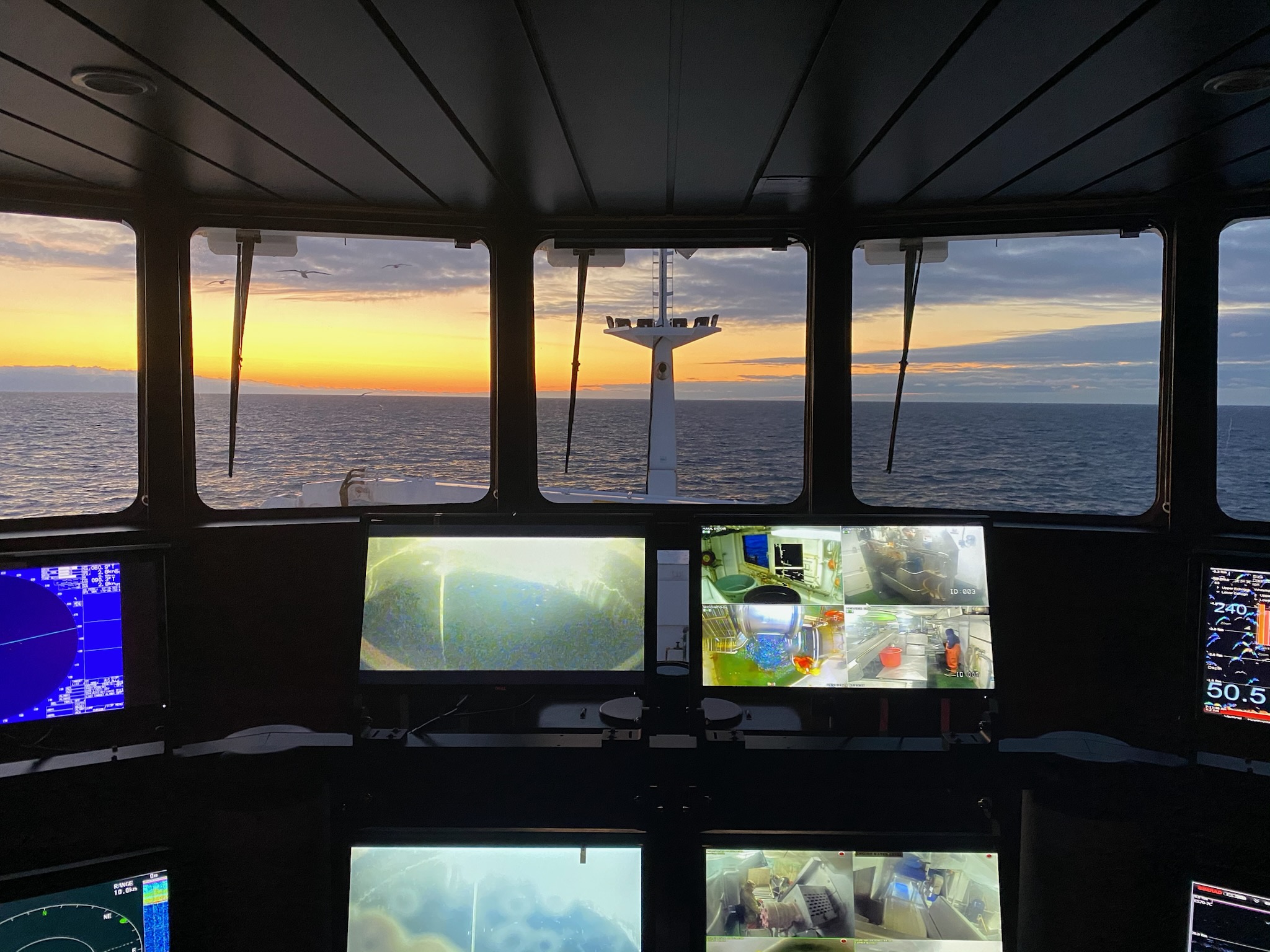
From the wheelhouse to the processing line, Bristol Wave crews safely harvest, handle, process and freeze seafood at sea, maintaining quality through every step of the process.
Bristol Wave’s hook-and-line fishing and frozen-at-sea process produces wild-caught seafood known for quality, consistency and versatility.
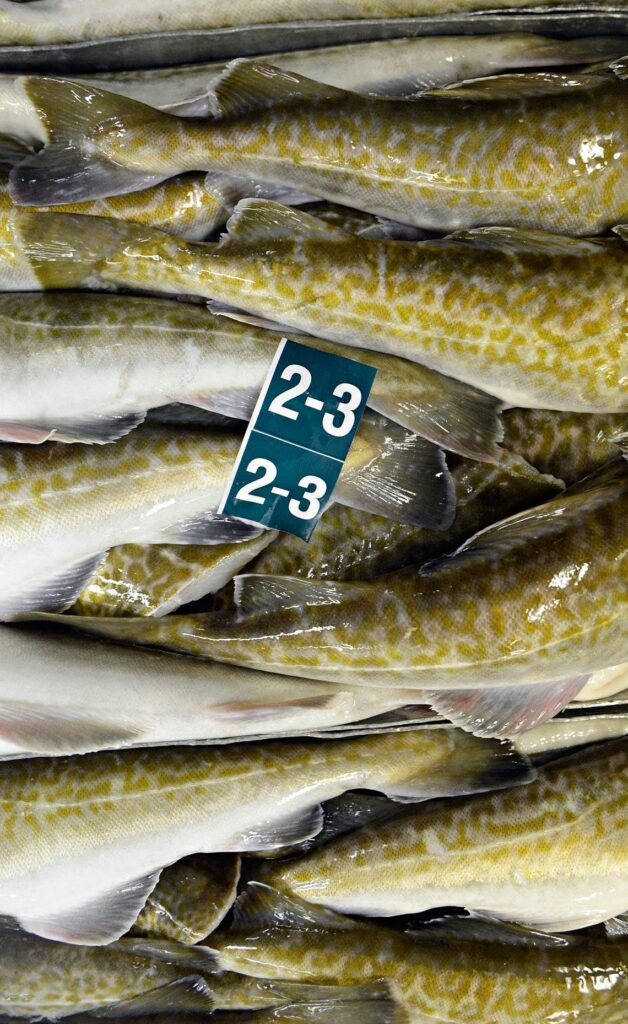
Wild-caught Pacific cod is at the heart of Bristol Wave’s operation.
Explore Alaska Cod →
Rich, buttery wild-caught sablefish harvested from Alaska’s waters.
Explore Sablefish →
A distinctive cold-water flatfish harvested by the Bristol Wave fleet.
Explore Greenland Turbot →
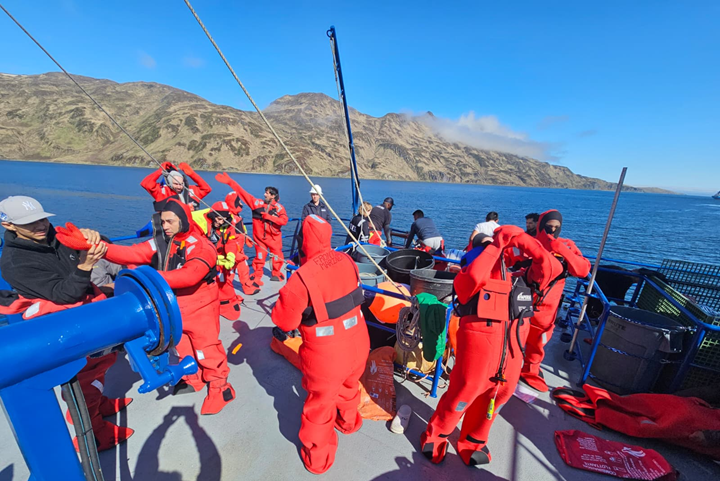

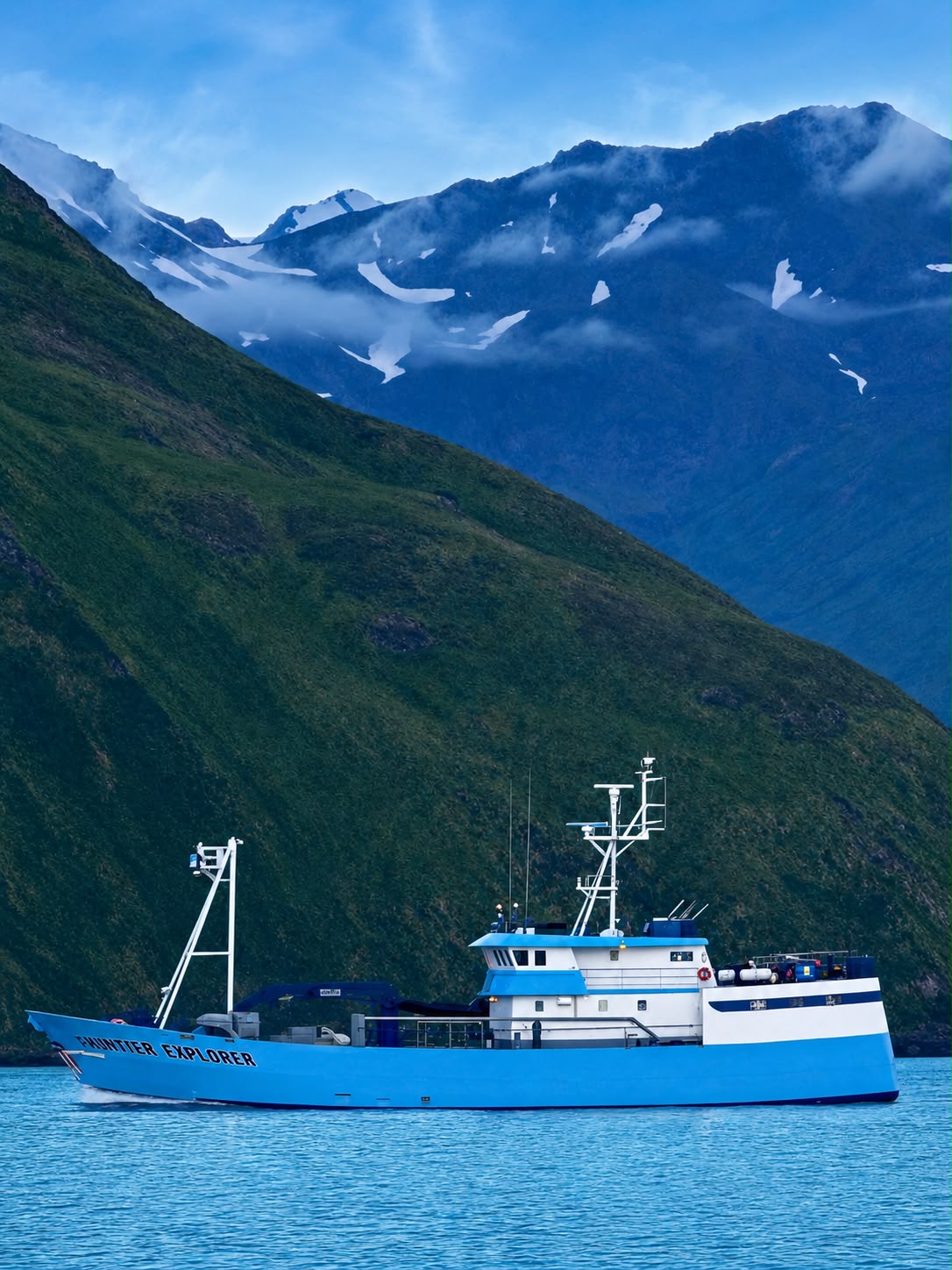
Bristol Wave combines responsible harvesting, experienced crews and at-sea processing to deliver high-quality wild-caught seafood from Alaska’s waters.

