
How the fishing year works starts with the Total Allowable Catch, or “TAC.” Each year the North Pacific Fishery Management Council (NPFMC) recommends catch limits based on scientific surveys. The National Marine Fisheries Service (NMFS) then sets the quota limits for each species.
In the case of Pacific Cod in the Bering Sea and Aleutian Islands region, roughly 45% of the TAC is allocated to Hook-and-Line Catcher Processors. Each catcher-processor company receives a set percentage of that allocation. With 37.44% of the Bering Sea & Aleutian Islands hook-and-line cod quota, Bristol Wave Seafoods is the largest quota holder in the sector.
A & B Seasons – The Core of BWS Operations
Once the Pacific Cod TAC is established and the quota allocation for each quota holder is set, the fishing year is divided into two seasons – A and B.
A Season officially opens at 12:01am on January 1st each year and runs until 11:59pm on June 10th. Each quota holder can harvest up to 51% of their total allocation for the year in A Season, and any unharvested quota will “roll-over” into B Season. At Bristol Wave, the majority of our crew travel to Dutch Harbor on January 2nd, allowing our crew to enjoy the holidays with family before starting the season. Depending on quota allocations, our vessels often finish A Season fishing by early to mid-May.
B Season officially opens at 12:01am on June 10th, and does not officially close until 11:59pm on December 31st, though B Season fishing is generally concluded before December. Additionally, NMFS will monitor catch rates throughout B Season and, in some years, close the Bering Sea & Aleutian Islands region to hook-and-line cod fishing early. This can range from October into early December and does not always occur.
Sablefish (Black Cod) Fishing – From Longlines to Pots

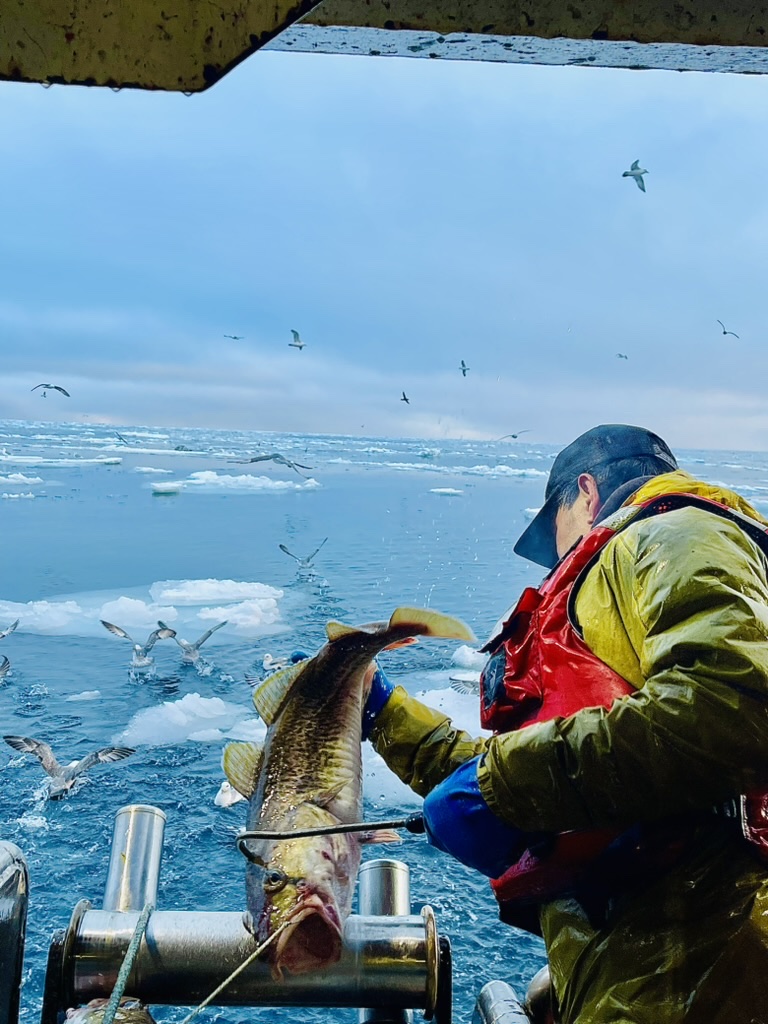
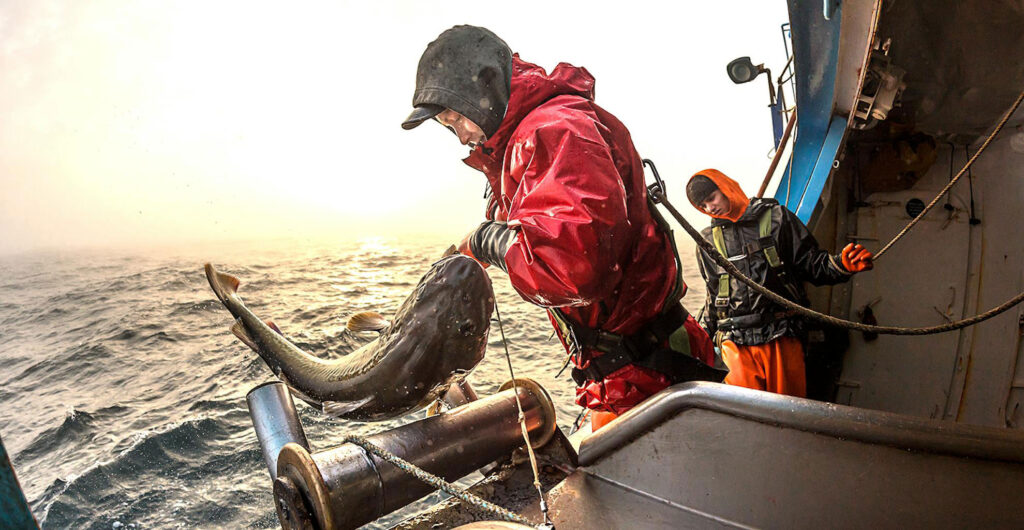
The sablefish season opens in March each year, with a specific date set each year by NMFS. Most years Bristol Wave will switch over two or more vessels to target sablefish, usually beginning in March. These vessels will convert from hook-and-line operations to the use of “slinky pots,” which are more effective than hook-and-line for deep water Sablefish harvesting. In addition to specific quota allocations for sablefish, each vessel also has a “vessel cap,” which is a hard limit to how much sablefish can be harvested by any one vessel per calendar year. Depending on Cod quota and fleet availability, Bristol Wave may also switch one or more vessels to sablefish operations when we are close to harvesting all the available B Season quota.
Turbot Season – The Wildcard Species
Turbot season opens each year at 12:01am on May 1st and remains open until all the available Turbot quota is harvested, or 11:59pm on December 31st if there is still quota remaining. Depending on the available Turbot quota and whether our vessels have excess capacity while still harvesting all our available Cod quota, Bristol Wave may convert one or more vessels for Turbot fishing, usually between May and July. Turbot fishing, like sablefish, is a deep water pot-fishing operation. While sablefish is harvested using slinky pots, for Turbot we use a triangular pot custom designed by our own VP of Operations Scott Penny.

Shipyard – Safety Ensured
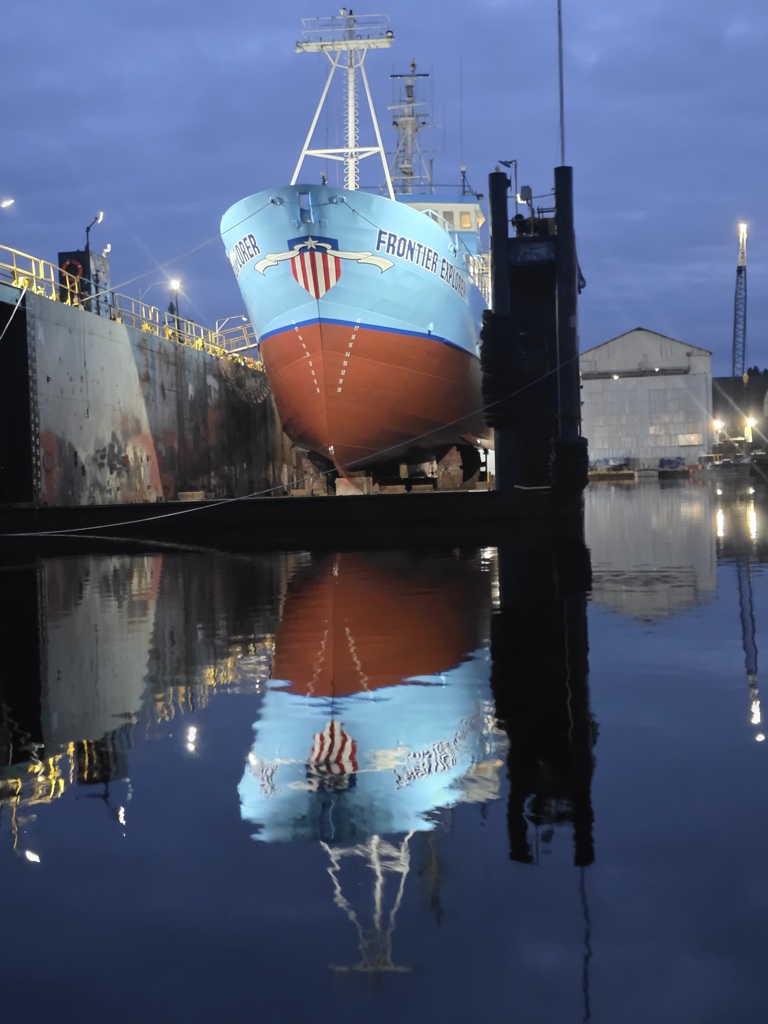
Every two years all Bristol Wave vessels return to Seattle for shipyard, undergoing routine maintenance, upgrades, and extensive work to ensure our vessels operate as safely and effectively as possible. Shipyard can last 2-3 months, plus a transit time of about 7-8 days south to Seattle, and another 7-8 days north to return to Dutch Harbor, AK.
There are three time frames Bristol Wave uses for shipyard. For some vessels, we perform shipyard work at the beginning of the year, meaning that vessel will miss the start of A Season, returning to fishing operations in March. In other cases, vessels will fish for the first few months of the year, ending their A Season early, and then transit to Seattle, allowing enough time to complete shipyard work and transit back north before the opening of B Season. In some cases, we will also have vessels end their B Season early, transiting to Seattle in October, allowing them to complete shipyard work in time for the opening of the following A Season.
In 2026, both the Frontier Explorer and Frontier Spirit underwent shipyard work starting in March and returned to start B Season in June. The Blue North and Clipper Epic will steam south at the end of B Season, undergoing late year shipyard work and returning to the fishery in January for the A Season opening. In 2027, the Clipper Endeavor, Clipper Surprise, and Frontier Mariner will be next up for shipyard work.
Our vessels undergo shipyard on staggered years, so in any given year roughly half the fleet will enter shipyard. When we schedule shipyard for each vessel varies based on the overall fishing plan, as well as the deadlines for ACSA certification.
That’s a quick look at how the fishing year works at Bristol Wave. Next in this series: Crew Share Payroll Explained – How Commercial Fisherman Share in the Value of the Catch.
The Fishing Year: Common Questions
When does cod fishing season open in the Bering Sea?
Hook-and-line cod fishing runs in two seasons. A Season opens at 12:01am on January 1st and runs to 11:59pm on June 10th. B Season opens at 12:01am on June 10th and runs to 11:59pm on December 31st, though fishing is generally concluded before December and NMFS can close the Bering Sea and Aleutian Islands region early in some years.
What is the Total Allowable Catch, or TAC?
The Total Allowable Catch is the annual catch limit for a species. The North Pacific Fishery Management Council recommends the limits based on scientific surveys, and the National Marine Fisheries Service then sets the quota for each species. For Pacific cod in the Bering Sea and Aleutian Islands, roughly 45% of the TAC is allocated to hook-and-line catcher processors.
How much of the Bering Sea cod quota does Bristol Wave hold?
Bristol Wave Seafoods holds 37.44% of the Bering Sea and Aleutian Islands hook-and-line cod quota, making it the largest quota holder in the sector.
Why do vessels switch from longlines to pots for sablefish and turbot?
Pots are more effective than hook-and-line for harvesting in deep water. Vessels targeting sablefish convert to slinky pots, usually beginning in March. For turbot, Bristol Wave uses a triangular pot custom designed by VP of Operations Scott Penny.
How often do commercial fishing vessels go to shipyard?
Every two years each Bristol Wave vessel returns to Seattle for shipyard. The work takes two to three months, plus roughly seven to eight days of transit each way to and from Dutch Harbor. Vessels are scheduled on staggered years, so about half the fleet enters shipyard in any given year.